Targeted Ads Draft

Targeted advertisements have become a hot topic in the last few years in our new digital culture. You go online to shop for new basketball shoes on Nike’s website, and just four minutes later you see ads for the new Air Jordans on you Twitter feed. While they are intended to make the life of the consumer easier and more streamlined, these ads have caused a more divisive reaction. The public has become torn about the ethics behind these ads. How do they know what I just bought? What else do they know? Is this even legal? These questions and many more have sparked tons of debate on this issue.
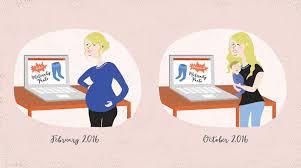
Image by GCFGlobal

Targeted advertising is an advertising technique that utilizes cookies, or bits of information the user leaves as they go through a website, to target certain ads at a user based on what they have looked at or bought. Advertising companies though is if they can see what you have looked at or bought in the past, they can give you ads that are similar to those things so there is a higher chance of you being interested in them. While this may feel like an invasion of privacy to many, it certainly isn’t illegal. Websites will tell you if they use these cookies. At that point, you should assume nothing you are doing on the websites is private. https://edu.gcfglobal.org/en/thenow/what-is-targeted-advertising/1/

There are two main schools of thought when it comes to this issue. The first saying that they do not mind the targeted ads because it does not change how they use media. They pay more attention to the benefits that come with this system of advertising. These two main benefits are a more streamlined delivery of desired goods and more relevant ads to your interests. Because of these improvements and a disregard for what information they are actually “giving up”, the users in this camp do not mind targeted advertising. The point is that just because the ads are similar to what you have looked at before, nothing physically changes about the media itself. https://www.ereach.net/benefits-of-targeting-advertisements/

The second generally held opinion on this issue is that targeted ads are very alarming and a huge invasion of privacy. while the ads themselves are nothing in themselves to fear, the act of giving this information to third-party advertising companies is a scary thing to think about for a lot. To them, these ads are just the beginning of what will come from selling information. These individuals value their privacy above all else which is very understandable. Everyone wants to feel like they are in control of their own actions of the internet. However, this may just not be possible anymore. https://www.cio.com/article/3336063/the-importance-of-preserving-user-privacy-with-a-prudent-approach-to-targeted-advertising.html

While people have differing opinions on this debate, there has been some common ground between the two groups. A study by Harvard’s business school showed that as long as the websites were transparent and told the users that they were taking information for ads, they had no problem with their information being taken. As long as the website told the user initially what kind of date collecting and advertising techniques were being used, the user was a lot more inclined to accept these terms. These results show that many find not big issue with their information being used in advertising as long as they know exactly what is going on behind the scenes. Transparency seems to be key. https://www.wired.com/story/online-ad-targeting-does-work-as-long-as-its-not-creepy/

Personally, I hold the latter opinion. The targeted ads are nothing to fear because they do not change how I access and use digital media. Regardless of how many sunglasses ads I get after buying a new pair of Ray bands on Instagram, I can still like and comment on posts all the same. Plus, Information about what I have purchased or looked at online generally is not information that I hold near and dear to my heart so I am fine with advertising companies having it. While I recognize the importance and value of privacy, this issue does not have me worried about these things.

At the root of it all, people just want to know what they are giving up online. With scammers at an all-time high, the fear of identity theft is a very valid thing to experience. People feel like they can not know for sure who has their private information and what these unknown figures are going to do with it. However, with more transparency from these websites and companies, I believe the targeted ad system can be a very beneficial addition to the process of an online consumer.

Medium as a Tool for Finding Truth

Medium is an awesome website to get a closer look at certain subjects that particularly interest you while also introducing you to new content you may be curious about. While looking through the website I began to wonder something. How do I know if the information I’m reading is true? Maybe it is just a result of an isolated incident? This is when I was able to see how to distinguish the truth from more isolated incidents.

The beauty is in the ability for multiple writers to write about the same subject. If multiple writers have accounts of the same experiences, we can sort the more universal truths from the irregular occurrences. The same way scientists test the conclusions of others in their field to see if their results match, the writers of medium can share what they have seen or been through to see if it lines up with others. To test this, I decided to look through a few stories on a common theme, working out, to see if the same results were reported from multiple sources.

Everyone knows working out is great for your physical health. You can burn fat, gain muscle, and train for certain sports, but other side effects can have even a greater impact on yourself. After reading through four articles on people’s experiences of pumping iron, I have come to the conclusion that your brain and overall mental well-being benefits from your workout even more than your body.

Three of the articles all focused on the writer’s journey as they started working out regularly. They all had a similar frame to them. The writer was looking to improve their own physical well-being but were surprised by the large amount of mental benefits they received as well. Two of the more major results were an overall change in mood and an improvement in sleep quality. The writers were able to feel at a more stable upbeat mood and were able to stay in deep sleep for longer amounts of time.

“My mood doesn’t swing to such wild ends of the emotional spectrum as often”

Andy Boyle

The fourth article took a look at the opposite. What happens when you stop working out as regularly. The writer, as expected, found things to be a lot harder for him mentally. He felt tired in the evenings and could not concentrate as well on his work. His remedy for this was to get back on his workout plan.

By comparing the findings of all these articles, we can identify that the benefits of working out regularly go way beyond just getting in shape. Mentally, you feel a lot better about yourself, you are able to be more alert and productive, and you can sleep better. Using this built-in tool that medium has was essential for confirming this information. The magic of this site really comes through when you can see everyone’s experiences in a subject and use this to determine what you believe is the truth. Medium allows for the truth to come out on top every time.

Letter from Birmingham Reaction

The letter that Dr. King writes while imprisoned for a peaceful demonstration in Birmingham is an excellent window into the minds of the strong advocates for civil rights changes in America during the time. While a local paper calls these demonstration Doctor King led unwise, Doctor King writes this letter to say otherwise. His main point is while the paper says now is not the time for such demonstrations, King sees the present as no better time because of the discrimination they have faced. It may put some in an awkward situation, but that is nothing in comparison to the social injustice the African American population has endured. They are no longer willing to wait for the equal treatment that is promised to them in the Constitution. Many white people of this time are annoyed and want the African American Population to just wait it out until their freedom for oppression comes. In King’s eyes, waiting is the worst thing they can do because that allows the oppressors to be comfortable in their current situation and not have to move towards change.

Many of King’s point from this letter still ring true to this day with our current social movement. Those who are not oppressed see no need for such demonstrations and feel uncomfortable at the sign of them. This uncomfortable feeling that those experience is what the oppressed strive for because that is what creates gradual change. While we might feel like certain social movements are unnecessary, we must put ourselves in the shoes of those whom are oppressed. Only then can we truly understand the pain they go through just for being different from others. While many wish the African American population would continue to wait, they are just looking for a way to delay the inevitable. Total equal treatment under law will come and that scares some of us, but it shouldn’t. America is a place of freedom for all and all citizens must honor that. If we want to celebrate how everyone is different from one another, we cannot punish those who are too different from us for our own comfort.

Introduce Yourself (Example Post)

This is an example post, originally published as part of Blogging University. Enroll in one of our ten programs, and start your blog right.

You’re going to publish a post today. Don’t worry about how your blog looks. Don’t worry if you haven’t given it a name yet, or you’re feeling overwhelmed. Just click the “New Post” button, and tell us why you’re here.

Why do this?

  • Because it gives new readers context. What are you about? Why should they read your blog?
  • Because it will help you focus you own ideas about your blog and what you’d like to do with it.

The post can be short or long, a personal intro to your life or a bloggy mission statement, a manifesto for the future or a simple outline of your the types of things you hope to publish.

To help you get started, here are a few questions:

  • Why are you blogging publicly, rather than keeping a personal journal?
  • What topics do you think you’ll write about?
  • Who would you love to connect with via your blog?
  • If you blog successfully throughout the next year, what would you hope to have accomplished?

You’re not locked into any of this; one of the wonderful things about blogs is how they constantly evolve as we learn, grow, and interact with one another — but it’s good to know where and why you started, and articulating your goals may just give you a few other post ideas.

Can’t think how to get started? Just write the first thing that pops into your head. Anne Lamott, author of a book on writing we love, says that you need to give yourself permission to write a “crappy first draft”. Anne makes a great point — just start writing, and worry about editing it later.

When you’re ready to publish, give your post three to five tags that describe your blog’s focus — writing, photography, fiction, parenting, food, cars, movies, sports, whatever. These tags will help others who care about your topics find you in the Reader. Make sure one of the tags is “zerotohero,” so other new bloggers can find you, too.